







Search Results for: F1 Coffee Hybrids
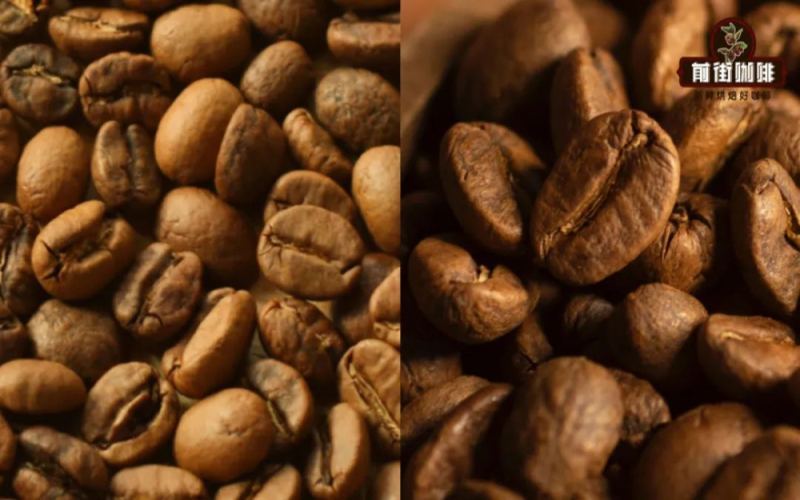
F1 and H1 in the Costa Rican Musician Series: The Origins and Flavor Profiles of Two Coffee Varieties
The Costa Rica Musician Series coffees have long attracted attention for their unique names and outstanding flavors, and among them the two variety designations F1 and H1 often leave enthusiasts puzzled. What exactly do they represent? Are they variety codes, hybrid combinations, or estate-internal breeding lines? This article will sort through these two alphanumeric combinations, explain what F1 and H1 mean within the coffee variety system, and, in conjunction with the relevant lots currently sold by Front Street Coffee, describe their typical performance in cupping and brewing recommendations. Whether you are new to the Musician Series or want to further understand the genetic background behind the varieties, you will find clear answers in this article. [more…]
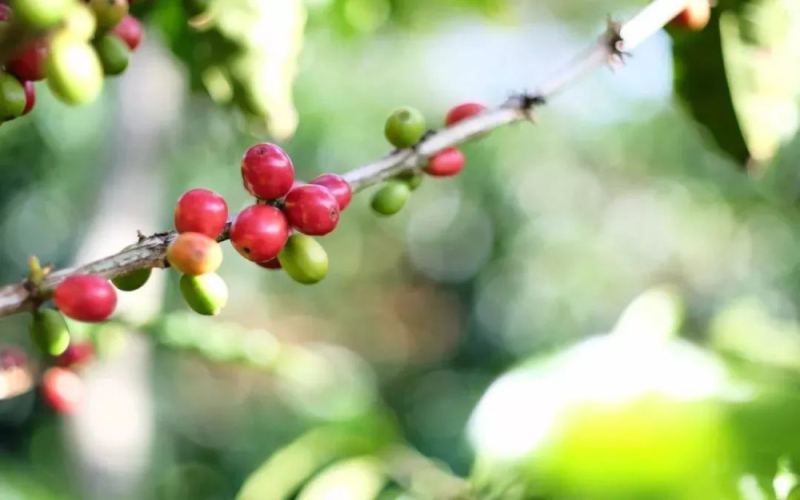
What exactly does the coffee variety F1 refer to? Analyzing the breeding process of the first filial generation and its representative bean varieties.
In the naming of coffee varieties, combinations of letters and numbers are not uncommon, but F1 is not a single variety—it is a collective term for a class of hybrid progeny. It originated from a breeding program promoted jointly by the French Agricultural Research Centre for International Development and the Coffee Institute of Costa Rica, among other institutions, after the major leaf rust outbreak of the 1970s, aimed at cultivating a new generation of coffee that is high-yielding, disease-resistant, and excellent in flavor. Although F1 varieties possess many advantages, they are also difficult to promote on a large scale due to the difficulty of propagation and high costs. This article will guide you through the background of F1's creation, its selection process, its main characteristics, and important commercialized representatives such as H1 and Ruiru 11, while combining recommendations from Front Street Coffee to present this innovative achievement in the field of coffee breeding. [more…]
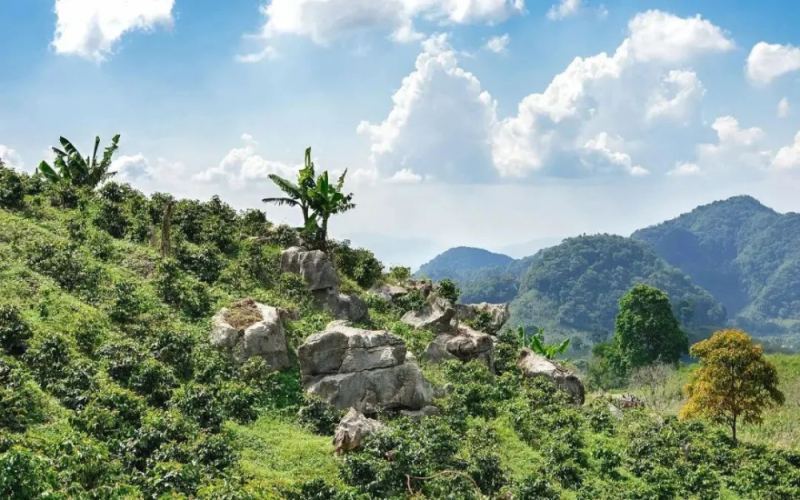
A Complete Analysis of Honduran Coffee Varieties: Characteristics and Origins of Pacas, Lempira, IHCAFE 90, and H3
Honduras, as a major global Arabica coffee-producing country, has a coffee industry strongly driven by the National Coffee Institute (IHCAFE). The varieties cultivated within its borders are rich and diverse, including Bourbon, Caturra, Catuai, Pacas, Lempira, IHCAFE90, H1, and H3, among others. This article will focus on four varieties—Pacas, Lempira, IHCAFE90, and H3—sorting through their origins, genetic backgrounds, cultivation characteristics, and current challenges. At the same time, the article also mentions the Honduras Sherry barrel-processed beans used by Front Street Coffee, and their variety composition and flavor performance are shared as well. [more…]

Analysis of Costa Rican Coffee Varieties: Cultivation Characteristics and Origins of Villa Sarchi, H1, and Obata
Costa Rica is renowned worldwide for its high-quality Arabica coffee. Although its total production is limited, the country strictly guarantees coffee quality through legislation, making it the only country in the world that prohibits the cultivation of non-Arabica varieties. Initially, Caturra and Catuai were the main varieties, but the threat of leaf rust prompted Costa Rica to introduce and develop more new varieties. Today, in addition to Caturra and Catuai, varieties such as Villa Sarchi, H1, and Obata are gradually emerging. Front Street Coffee's entry-level selection series, Costa Rica Tarrazu coffee beans, uses Caturra and Catuai. After washed processing, they carry a slight fruity acidity, with flavors of sweet orange, nuts, and honey, and a smooth lingering sweetness. This article will provide a detailed introduction to the origins, characteristics, and cultivation performance of these varieties. [more…]
Analysis of the Three Major Coffee Varieties: Robusta Characteristics, Arabica Hybrid Breeding, and the Flavor of Yunnan Catimor
In the world of coffee, Arabica, Robusta, and Liberica make up the three major species systems. Among them, Robusta, with its strong disease resistance and high caffeine content, has become an important raw material for espresso blends and instant coffee. This article begins with Robusta's origins and growth characteristics, then takes a deep dive into the genetic advantages brought by its cross-pollination, and traces the breeding history of Arabica-Robusta hybrids such as Timor Hybrid, Catimor, and Castillo. Finally, it focuses on Yunnan small-bean Catimor, exploring its flavor performance after washed processing, as well as its application in Front Street Coffee's espresso blends and pour-over single origins. Whether you are a coffee enthusiast or a industry professional, you can gain practical reference on variety selection and flavor pairing. [more…]
Analysis of the F1 Coffee Variety from Costa Rica's Three Miracles Estate: A Full Overview of Honey Processing Flavor Characteristics and Growing Background
F1 is a hybrid coffee variety developed in recent years by the French research organization CIRAD in Costa Rica, combining the lineage of Villa Sarchi + Sachimor and Sudan Rume, and possessing both traditional Central American flavors and African citrus notes. Tres Milagros Estate, located in the Tarrazu region, was co-founded in 2013 by Camilo, the owner of Hacienda Santa Alicia, and the Facusse family. Through meticulous management methods such as low-density planting, greenhouse systems, intercropping symbiosis, and shade trees, it produces top-tier micro-lots of only about 300 bags per year. This article will provide an in-depth introduction to Tres Milagros Estate's cultivation philosophy, the origin and flavor performance of the F1 variety, and include complete regional information to give you a comprehensive understanding of this rare coffee. [more…]
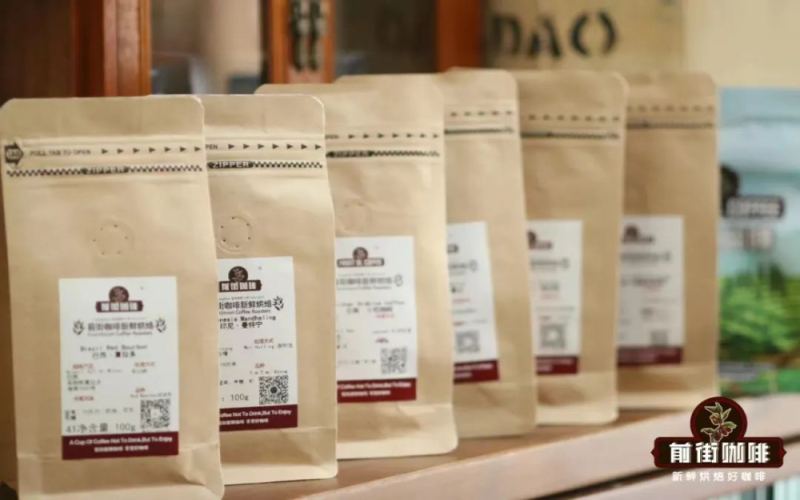
The Complete Guide to Coffee Variety Codes: The Stories and Origins Behind 74110, SL34, F1, and H1
When selecting coffee beans, a string of mysterious codes occasionally appears in the variety column, such as 74110, SL34, F1, H1, and so on. They do not have resounding names like Typica or Geisha, yet each carries a piece of breeding history. What exactly do these codes mean? Are they years, experiment numbers, or abbreviations of research institutions? This article will trace the origins of these numbered varieties, from disease-resistant varieties in Ethiopia to selections by the Scott Laboratories in Kenya, and then to the F1 hybrid program in the Americas, uncovering the mysteries of their identities one by one. Front Street Coffee will also share the unique charm of these varieties in the cup, combined with their flavor performance. [more…]
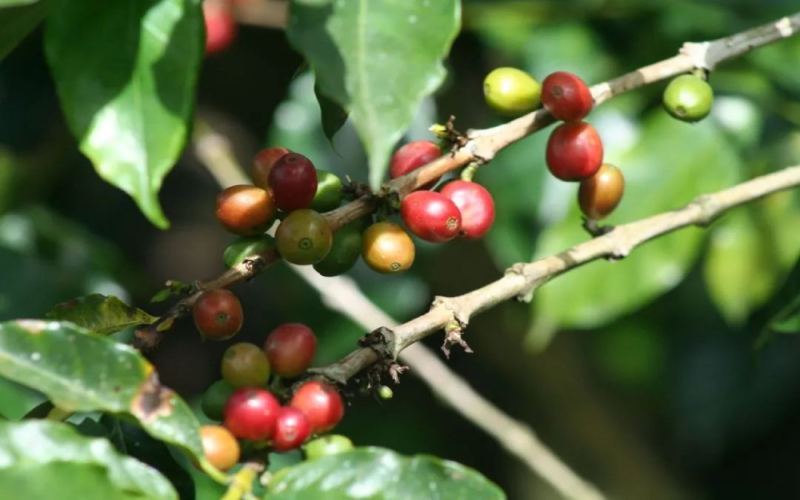
Detailed Guide to Costa Rica Tarrazú Region Canet Estate Musician Series Bach Coffee Beans
Costa Rica is an important representative of coffee cultivation in Central America, and the Tarrazú region is the country's highest-altitude and largest-producing star origin. In the town of San Marcos in Tarrazú, Canet Estate is famous for its Musician Series coffee beans, among which the Bach coffee beans use raisin honey processing and the F1 variety, offering rich and full flavor layers. This article will guide you through Costa Rica's coffee-growing environment, the unique advantages of the Tarrazú region, the origins of Canet Estate's Musician Series, and the breeding background and flavor performance of the F1 variety, as well as introduce the brewing experience of the Bach coffee beans recommended by Front Street Coffee. [more…]
Costa Rica Baja and Mozart Coffee Beans: A Comprehensive Analysis of Flavor and Mouthfeel Differences
As an important producing country of specialty coffee, Costa Rica has produced many distinctive coffee beans named after musicians. Among them, the Bach and Mozart beans have attracted much attention for their unique varieties and processing methods. This article takes Front Street Coffee's Bach coffee beans as an example to provide an in-depth analysis of their producing region background, the breeding history of the F1 variety, the technical details of the raisin honey processing method, and the cultivation story of the Canet estate. It also compares the differences in flavor and mouthfeel between the two beans, giving you a comprehensive understanding of the unique charm of this "Musician Series" coffee. [more…]
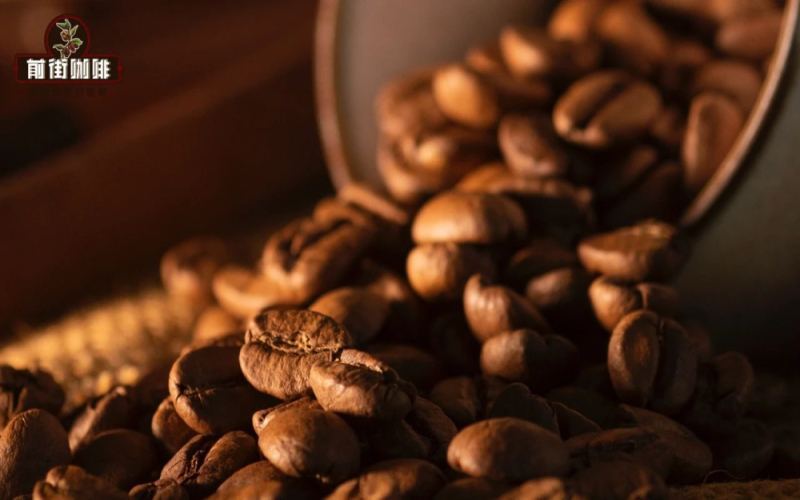
A Global Roundup of Well-Known In-House Coffee Roasting Brands: Ten Representative Roasters and an Analysis of Their Features
In today's increasingly rich coffee culture, whether chain brands or independent cafés, all have begun to launch their own roasted coffee beans. This article reviews ten of the most representative in-house roasting coffee brands worldwide, covering China, Germany, New Zealand, Japan, South Korea, Spain, Italy, Norway, Sweden, and the United Kingdom. From Guangzhou's time-honored Front Street Coffee to Gardelli, a frequent winner at world roasting competitions, each brand has its own unique roasting philosophy and sourcing standards. The article provides detailed introductions to each brand's founding time, origin characteristics, roasting style, and signature products, helping coffee enthusiasts understand the advantages of different brands and directions for purchasing. [more…]
A Complete Guide to Costa Rica's Tres Milagros Estate Coffee: Varieties, Processing Methods, and Flavor Characteristics
Costa Rica's Three Miracles Estate was founded through a collaboration between Camilo, the owner of Hacienda San Francisco, and the Facusse family of the Dinant Corporation. Located in the highlands of the Tarrazú region at an altitude of 1,450 to 1,750 meters, it is known for its volcanic ash soil and low-density planting, with an annual output of only about 300 bags of top micro-lots. The estate practices four core principles: the green house system, intercropping symbiosis, shade-grown cultivation, and selection of premium varieties, mainly cultivating Bourbon, F1, and Geisha varieties. Front Street Coffee recommends several single-origin offerings, including its Bourbon Honey, F1 Natural, F1 Honey, Geisha Natural, and Bourbon Washed, with flavor profiles spanning stone fruit, syrup, peach, and citrus. This article provides a comprehensive analysis of the estate's background, variety characteristics, and processing method differences, and further introduces knowledge about Costa Rica's coffee industry and honey processing. [more…]
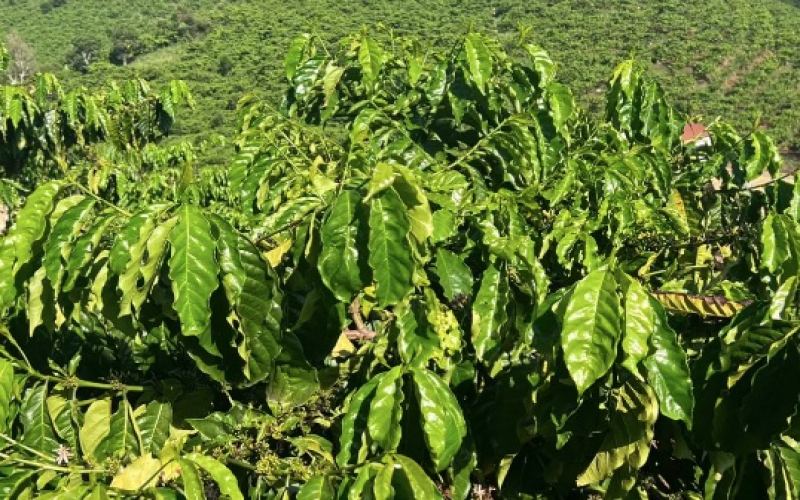
Why do some origin places only produce a fixed number of coffee varieties?
At present, some coffee-producing countries basically only produce a few fixed coffee varieties, such as Brazil mainly produces Bourbon, and Jamaican Blue Mountain mainly produces Typica, etc. In fact, in many cases, it is due to the spread of coffee [more…]
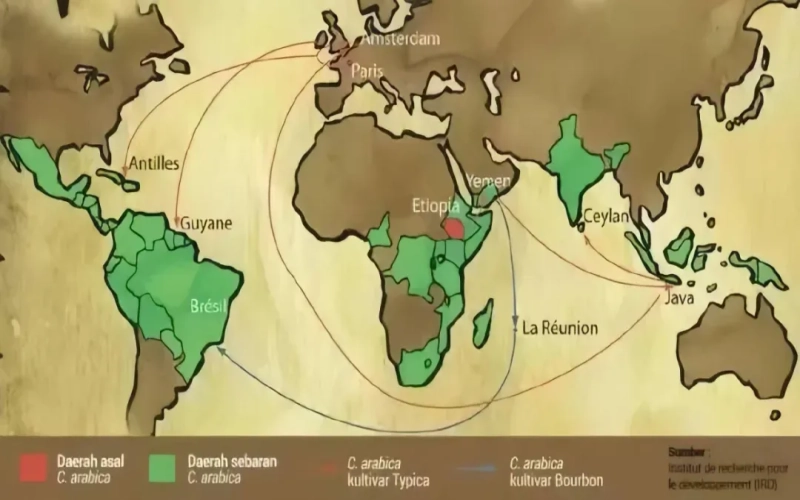
Why Do Coffee-Producing Countries Stick to Certain Varieties for So Long? A Panoramic Analysis from the History of Leaf Rust to Laboratory Breeding
When you shop for coffee beans, have you ever noticed that certain origins always seem to grow just a few fixed varieties? Brazil, for instance, is dominated by Bourbon, while Jamaica Blue Mountain is inseparable from Typica. Behind this lies both the logic of variety dissemination and natural adaptation, as well as a chapter of coffee history rewritten by leaf rust. That devastating disease at the end of the 19th century forced many producing countries to turn to research on disease-resistant new varieties, leading to the establishment of national coffee research institutes. This article will walk you through the origins and development of common laboratory varieties such as Catuai, SL28, SL34, Ruiru 11, and H1, and how they became the mainstays of today's producing regions. It will also mention related beans selected by Front Street Coffee, offering you a practical buying reference. [more…]
A Complete Guide to Coffee Bean Varieties: From Typica to Hybrids, Understanding the Family Tree and Flavors of Specialty Coffee in One Article
The coffee plant family is vast, with over a hundred known species, but the ones that truly take the stage in specialty coffee are mainly Arabica and its many derived varieties. From the ancient Typica of Ethiopia, to the Bourbon mutation of Yemen, to the pointed Bourbon born in laboratories, and the Geisha that has dominated cupping competitions in recent years, behind each variety lies a story of migration and domestication. This article systematically organizes coffee's botanical classification, the origins and flavor characteristics of major varieties, and explains in detail the differences between genetic mutations, intraspecific hybrids, and interspecific hybrids, helping coffee enthusiasts build a complete framework for understanding varieties. The article also specifically points out that even the same variety can perform vastly differently on different estates, which is one of the reasons specialty coffee emphasizes traceability of origin. [more…]
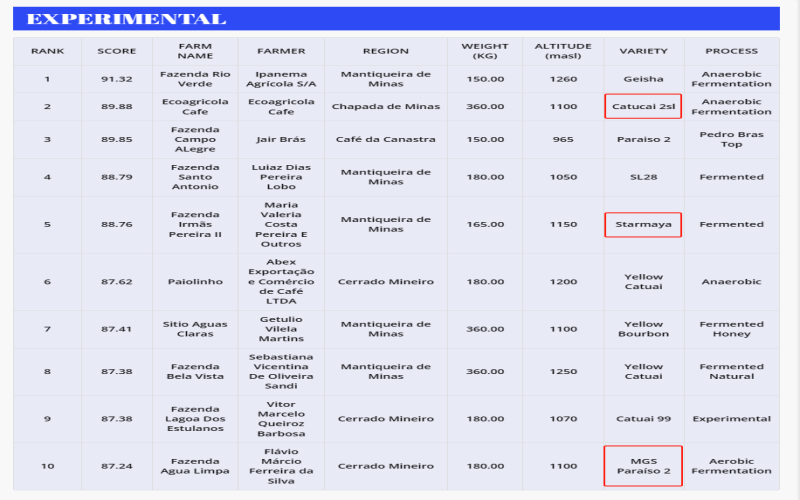
Analysis of Rare Award-Winning Coffee Varieties at Brazil's Cup of Excellence: Variety Characteristics of MGS Paraíso 2, Catucaí 2SL, and Starmaya
In this year's COE competition, the Brazil region stands out as particularly distinctive. Not only have the competition rules been adjusted, but the winning varieties also differ greatly from those of other coffee-producing countries, which is especially evident in the experimental processing group: the winning bean varieties are almost never repeated, and most are not well known to the general public. This article will focus on three standout varieties—MGS Paraíso 2, Catucaí Amarelo 2SL, and Starmaya—and outline their origins, agronomic performance, and flavor potential. For enthusiasts concerned with coffee variety diversity, this information is especially worth noting. Front Street Coffee will also continue to follow up on the introduction and evaluation of related bean varieties in subsequent content. [more…]
An Analysis of the Grading Differences Between Kenya Black Tea Grade 1 and Grade 2 and Their Quality Characteristics
Kenya is not only a tourist destination, but also an important black tea producing region globally. Since the introduction of tea cultivation in 1903, Kenya has developed into the world's third-largest tea producer and exporter. Local tea gardens are mainly distributed in the highlands of the East African Rift Valley, with the industry structure composed of large estates and smallholder cooperatives, among which KTDA manages over 60% of the output. Kenyan black tea is primarily processed using the CTC method, producing a strong and bright liquor that is highly favored in the international market. This article will provide a detailed analysis of the grading system for Kenyan black tea, including the specific differences between main grades such as BP1, PF1, D1, PD, F1, and secondary grades, helping coffee and tea enthusiasts gain a comprehensive understanding of the quality characteristics and classification logic of Kenyan black tea. [more…]
A Comprehensive Analysis of the Definition of Specialty Coffee and the Main Cultivated Varieties of Arabica
Specialty coffee is centered on carefully cultivated high-altitude Arabica, and its varietal system originates from two ancient bloodlines: Typica from Ethiopia and Bourbon from Yemen. This article systematically outlines the definition of specialty coffee and provides a detailed classification of major Arabica varieties, including Typica, Bourbon and their genetic mutations, intraspecific hybrids, and interspecific hybrids. It covers varieties such as Bourbon Pointu, Maragogipe, Geisha, SL28, Caturra, and Pacamara, while also explaining the position of hybrid varieties in specialty coffee and the key influence of producing estates on flavor differences. [more…]
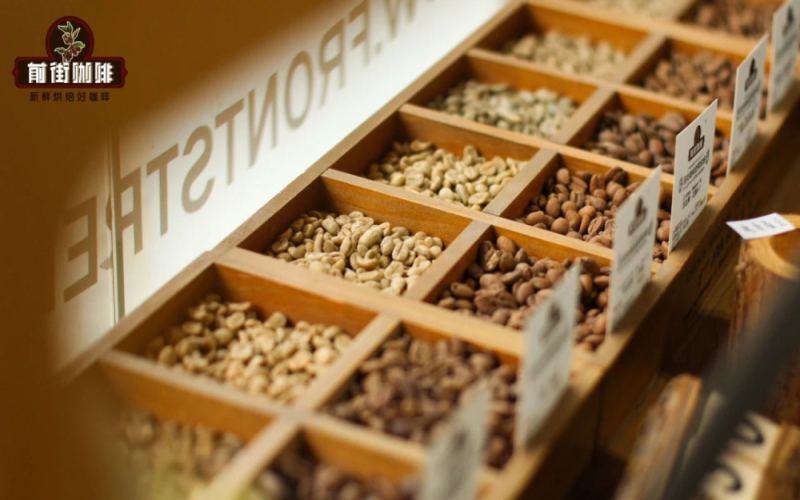
The Origin and Flavor Code of Arabica Coffee Beans: A Full Analysis from Variety Characteristics to Common Subspecies and Hybrids
Why can Arabica coffee beans become synonymous with specialty coffee? From the perspective of Front Street Coffee, this article systematically sorts out the core differences between Arabica and Robusta in flavor, growing conditions, and caffeine content, and introduces one by one the origins and flavor characteristics of common Arabica-derived subspecies and hybrid varieties such as Typica, Bourbon, Caturra, Geisha, Catimor, and SL28. It also includes the producing regions, altitudes, processing methods, and flavor descriptions of several representative coffee beans in Front Street Coffee stores, helping coffee enthusiasts fully understand the Arabica variety system so they can more accurately select coffee beans that match their personal preferences. [more…]
Costa Rica Tarrazú Three Miracles Estate: A Comprehensive Analysis of a Specialty Coffee Estate in Collaboration with the Camilo and Facusse Families
Costa Rican coffee, with its volcanic terrain, mild climate, and consistent rainfall, has become a key player on the global specialty coffee map. This article focuses on the Tres Miracles estate in the Tarrazú region, telling the story of how Camilo, the owner of the San Tuario estate, and the Facusse family of the Dinant company joined forces to create this specialty project. It also offers an in-depth analysis of the estate's unique approaches to altitude selection, planting density, greenhouse systems, intercropping symbiosis, shade-grown cultivation, and variety selection. Front Street Coffee also brings you purchasing information for this bean. [more…]
A Complete Guide to Specialty Arabica Coffee Beans: Flavors and Origins from Heirloom Varieties to Hybrid Cultivars
The Coffea genus encompasses a vast number of species, yet the specialty coffee stage is dominated primarily by high-altitude Arabica. From Ethiopia's ancient Typica and Yemen's Bourbon to the spontaneously mutated Bourbon Pointu, Maragogype, and Geisha, and on to deliberately bred varieties such as Caturra and Pacas as well as interspecific hybrids, behind every name lies a story of migration and flavor. This article systematically sorts through the main varieties of specialty Arabica, their origins and lineage, and their cupping performance, and explains why hybrids rarely appear in the product lines of specialty coffee suppliers such as Front Street Coffee. Whether you are a newcomer or a seasoned enthusiast, this variety map will help you understand more clearly where the flavors in your cup come from. [more…]